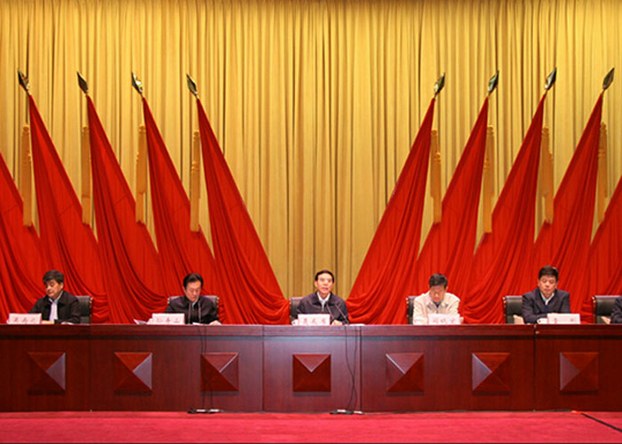
China’s State Administration of Press, Publication, Radio, Film and Television holds political study meeting, Nov. 21, 2016. Public Domain.
China’s powerful media regulator has banned social media platforms like WeChat, and the Twitter-like Weibo services run by Sina and Tencent, from disseminating user-generated audio and video, in a move that appears to be aimed at stifling citizen reporting in a country where all news is controlled by the ruling Chinese Communist Party. Continue reading
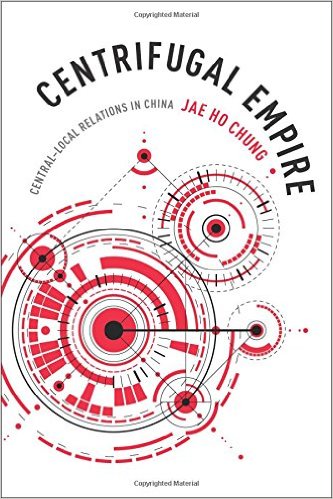 The dynamics between the central administration in imperial Chinese dynasties and local levels of administration since the first unification under the short lived Qin in 220 BCE and the ways in which the shadow of these persist to this day is an enormous subject. It is curious, as Jae Ho Chung points out in the preamble to this short but intense and highly rewarding monograph, why so little attention has been paid to this subject.
 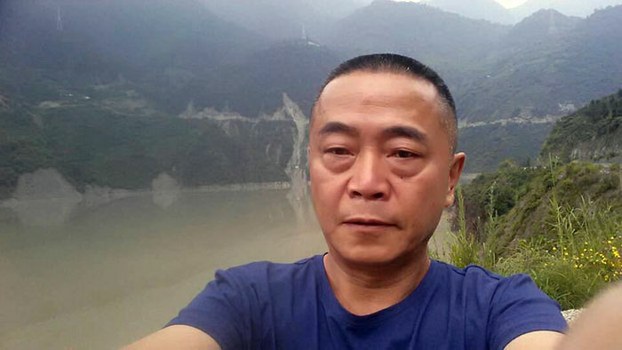 Nearly 40 journalists are currently behind bars amid an ongoing crackdown by the ruling Chinese Communist Party on the media this year, according to a new report from a U.S.-based press freedom group.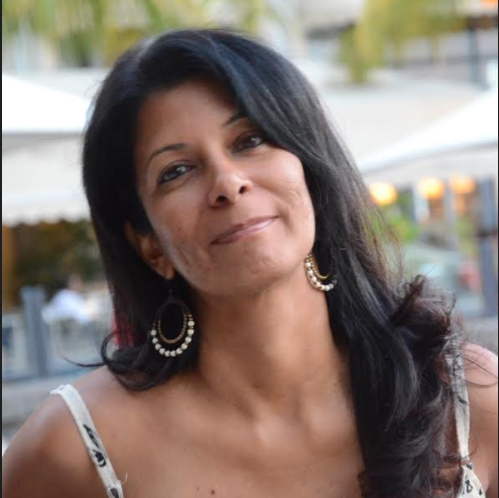
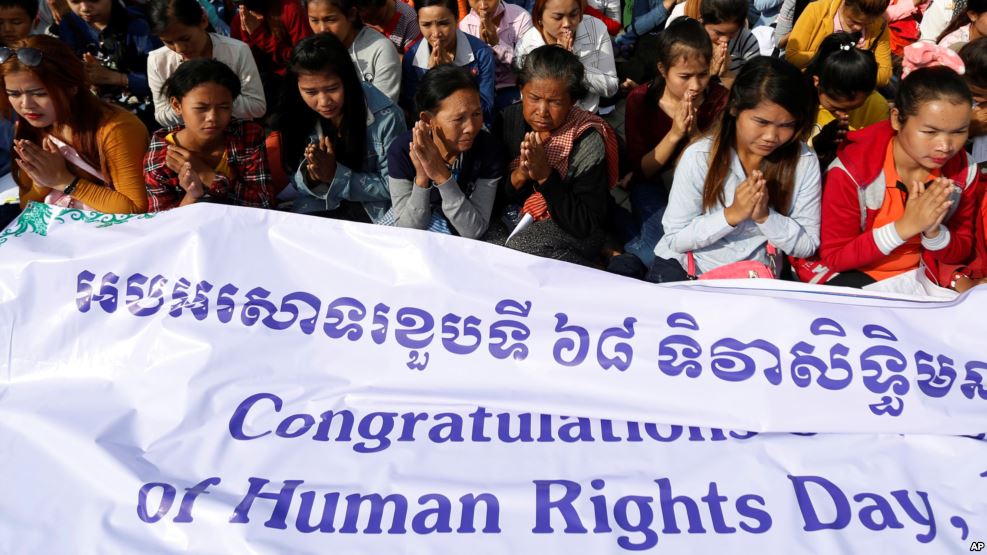
 On the occasion of the International Day for Human Rights, the Unrepresented Nations and Peoples Organization (UNPO), in cooperation with the Society for Threatened Peoples (STP), Ilham Tohti Initiative (ITI) and Bündnis 90/Die Grünen convened a conference in the Bayrischer Landtag in Munich on 12 December 2016. Entitled “Ilham Tohti and the Situation of the Human Rights of the Uyghur”, the conference brought together a variety of researchers, experts and representatives of diaspora movements to discuss the pressing issue of Uyghur intellectual Ilham Tohti’s unjust imprisonment, how this represented a wider deprivation of fundamental human rights for the Uyghur, and what concrete steps must be taken to achieve peaceful coexistence between Han Chinese and Uyghurs.
 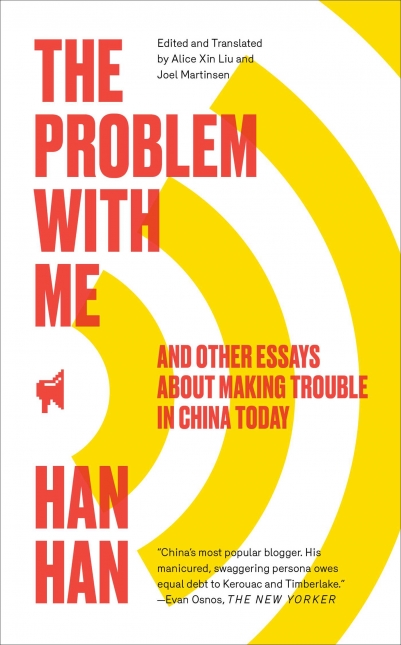 This provocative collection from “China’s Troublemaker” falls short on wit and excels at arrogance.